


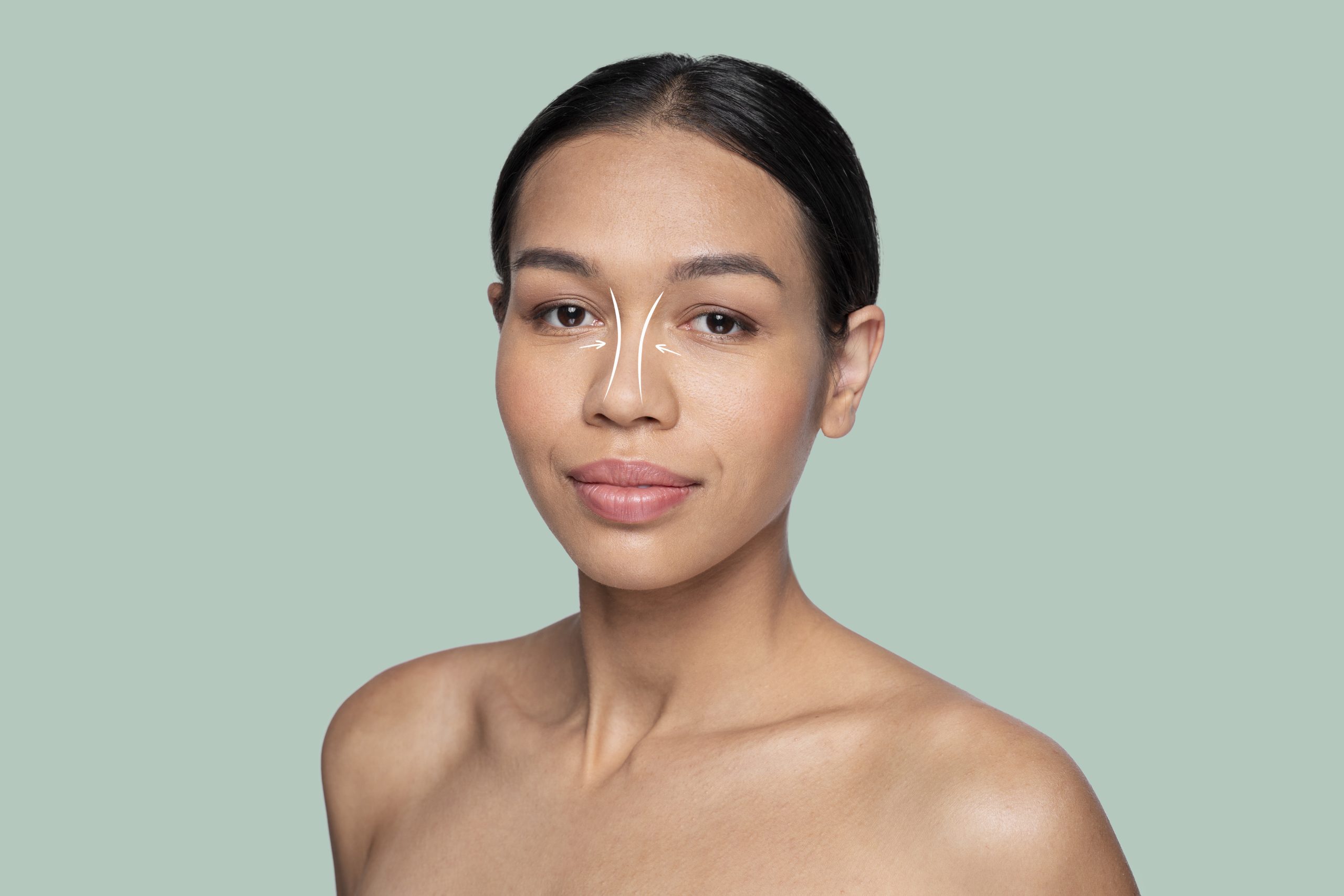
Rhinoplasty, or nose surgery, is one of the most popular and demanded cosmetic surgery procedures worldwide. In Spain alone about 80,000 rhinoplasties are performed annually.This surgical operation allows us to modify the shape and size of the nose to improve facial harmony and increase the patient’s self-esteem.
However, to achieve optimal and lasting results, it is not only important the skill of the surgeon and the technique used, but also the quality of the skin of the patient’s nose.
Why is the skin so important in rhinoplasty?
The skin covers the bony and cartilaginous structure of the nose, and plays a fundamental role in the final result of rhinoplasty. Thick or sebaceous skin can make it difficult to obtain defined lines and a natural look, while thin or delicate skin may be more prone to scarring or bruising.
Factors to consider in evaluating the skin for rhinoplasty.
The surgeon should carefully evaluate the skin of the patient’s nose before performing rhinoplasty. Some of the factors to consider are:
- Thickness: The skin of the nose can be thin, normal or thick. Thin skin is more transparent and allows the underlying structure to be seen, which can make it difficult to obtain a natural result. Thick skin, on the other hand, can hide bony and cartilaginous imperfections, but can also be more difficult to shape and can result in an artificial appearance.
- Elasticity: Elastic skin adapts better to the changes made during rhinoplasty and is less likely to wrinkle or sag after surgery.
- Texture: The skin of the nose can be smooth, porous or oily. Porous or oily skin may be more prone to acne or comedones after surgery.
- Tone: The skin of the nose should be the same tone as the surrounding facial skin to avoid the appearance of dyschromia.
Ultrasonic rhinoplasty: a precise technique for all skin types.
Ultrasonic rhinoplasty is an innovative technique that uses ultrasonic vibrations to sculpt the bones and cartilage of the nose. This technique offers a number of advantages over traditional rhinoplasty, such as:
- Greater precision: Ultrasound allows the surgeon to make smaller, more precise incisions, which reduces trauma to the skin and minimizes the risk of scarring.
- Less bleeding and swelling: Ultrasonic rhinoplasty produces less bleeding and swelling than traditional rhinoplasty, which translates into a faster and more comfortable recovery.
- Better results in thick skin: Ultrasound is especially useful for sculpting thick skin, as it allows the surgeon to make more defined changes without damaging the skin.
Dr. Perez Villar is one of the best specialists in ultrasonic rhinoplasty in Castilla y Leon. Before deciding on the best treatment for the patient, he carefully evaluates the patient’s skin and other factors to determine the most appropriate technique and achieve optimal results.
If you are considering a rhinoplasty in Valladolid, do not hesitate to contact us to request an informative appointment where we will perform a simulation of results.
Remember: - The skin is an important factor to consider in rhinoplasty.
- Ultrasonic rhinoplasty is a precise technique that offers excellent results in all skin types.
- Dr. Perez Villar is one of the most reputable surgeons in this specialty.
Comments are closed.