


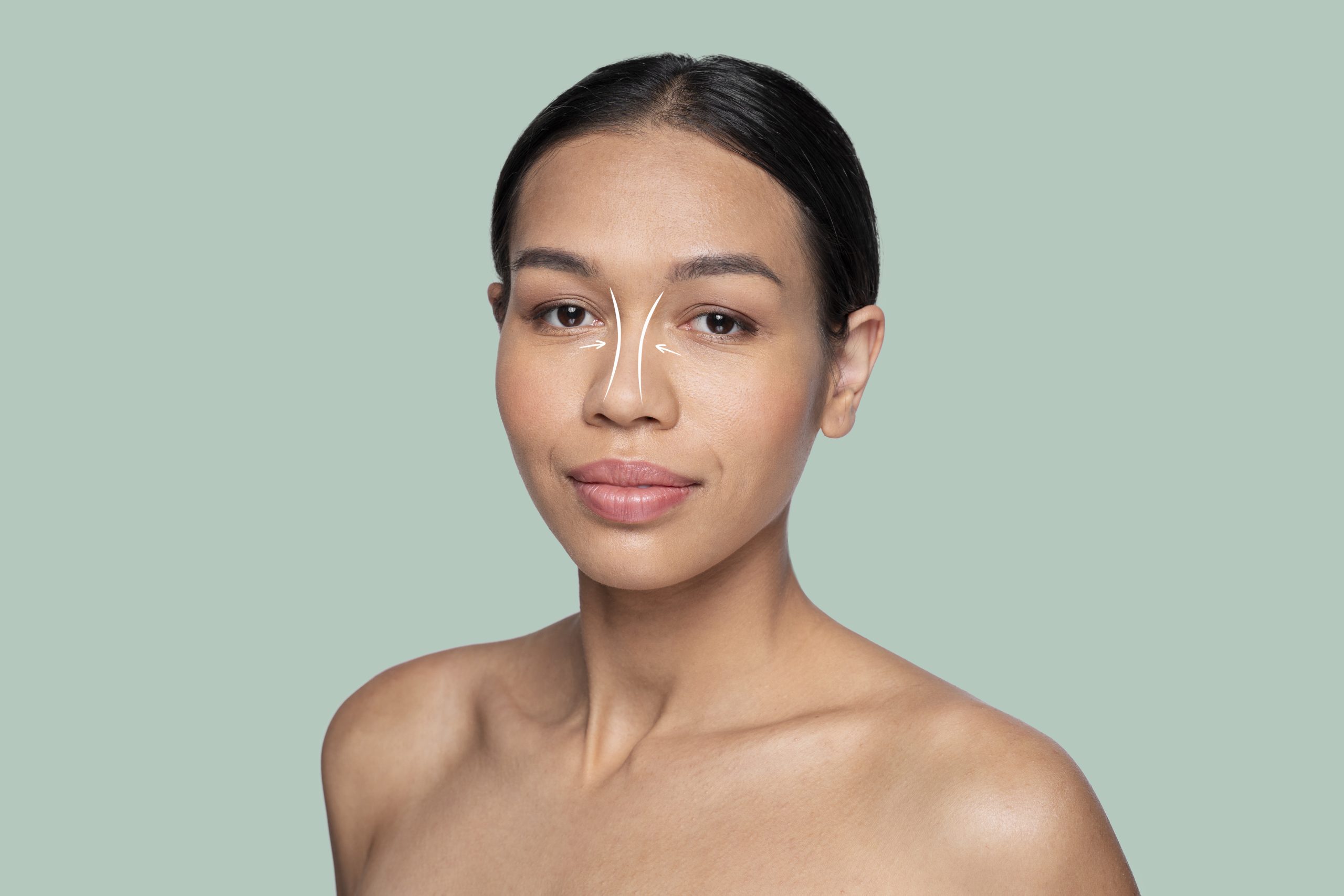
Therevision rhinoplasty, also known as secondary rhinoplasty, is a complex surgical procedure performed to correct the unsatisfactory results of a previous rhinoplasty. This type of surgery requires great experience and skill on the part of the surgeon, as it involves working with tissues that have already been manipulated and may have healed.
Who should undergo revision rhinoplasty?
There are several reasons why a patient may opt for revision rhinoplasty. Some of the most common are:
- Dissatisfaction with the aesthetics of the nose:If the patient is unhappy with the shape or size of their nose after primary rhinoplasty, they may be a candidate for secondary rhinoplasty or revision rhinoplasty.
- Respiratory problems:In some cases, primary rhinoplasty may have caused breathing problems due to alterations in the internal structure of the nose. It’s not common, but it can happen. In this case, revision rhinoplasty can correct these problems and improve the patient’s breathing.
- Complications:In rare cases, primary rhinoplasty can cause complications such as infections, bruising, or asymmetries. But if it happens, revision rhinoplasty may be necessary to correct these complications and restore normality to the nose.
How is a revision rhinoplasty performed?
The specific technique of revision rhinoplasty will vary depending on the patient’s needs and the characteristics of the previous surgery. However, in general, the procedure involves the following steps:
- Anesthesia:The patient undergoes local or general anesthesia, depending on the complexity of the surgery.
- Incision:The surgeon makes an incision in the skin of the nose, usually inside the nostrils.
- Dissection:The surgeon separates the skin from the underlying tissue and exposes the bones and cartilage of the nose.
- Remodeling:The surgeon restructures the bones and cartilage of the nose to achieve the desired shape and size.
- Closing:The skin is returned to its original position and the incision is sutured.
What are the risks of revision rhinoplasty?
Like any other surgical procedure, revision rhinoplasty carries some risks. Among the most common are:
- Bleeding:It is a common risk in any nasal surgery.
- Infection:Infection is a rare risk, but it can be serious.
- Scars:Scars are inevitable in revision rhinoplasty, but the surgeon can place the incision in an inconspicuous location to minimize its visibility.
- Dissatisfaction with results:There is a possibility that the patient will not be completely satisfied with the results of revision rhinoplasty.
What to expect after revision rhinoplasty?
Recovery time after revision rhinoplasty is usually slightly longer than after primary rhinoplasty. This is because the tissues in the nose have already been manipulated and may have healed.
For the first few weeks after surgery, the patient will need to wear a nasal splint to protect the nose while it heals. It is also important to avoid blowing your nose forcefully and doing strenuous physical activities during the first few days.
The definitive results of revision rhinoplasty are usually visible after a few months. However, it is important to note that complete healing can take up to a year.
If you are considering revision rhinoplasty, it is important that you consult with a maxillofacial surgeon experienced in these types of procedures.The surgeon will be able to evaluate your case and determine if revision rhinoplasty is the best option for you.
Dr. Álvaro Pérez Villar is a prestigious maxillofacial surgeon with extensive experience in revision rhinoplasty.He uses the most advanced techniques and modern technology to offer his patients the best possible results.
If you would like more information about revision rhinoplasty, please do not hesitate to contact us.
Comments are closed.