


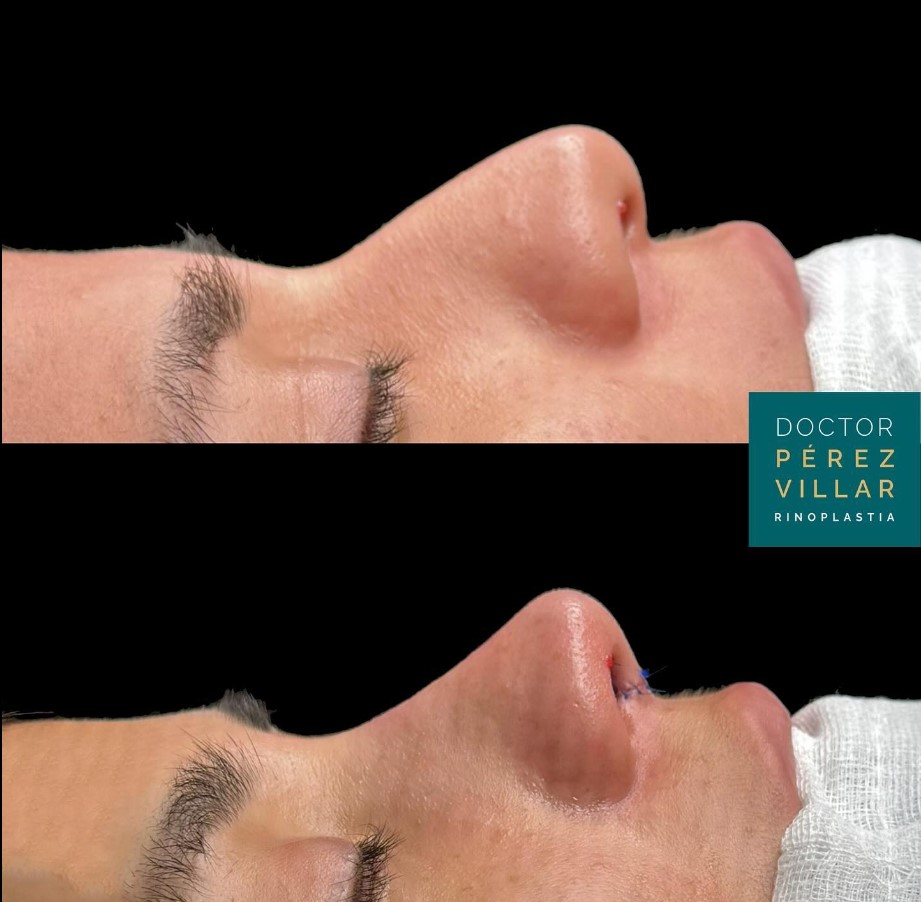
Ultrasonic rhinoplasty is an innovative technique that offers a more precise and safer alternative to traditional rhinoplasty. If you are thinking about improving the aesthetics and/or functionality of your nose, you may be wondering if you are a good candidate for this procedure.
In this article, we will discuss the main characteristics of ultrasonic rhinoplasty and define the ideal profile of patients who can benefit from it.
What is ultrasonic rhinoplasty?
Ultrasonic rhinoplasty uses an ultrasound device to reshape the nasal bones with greater precision and less trauma than the traditional technique. This allows the surgeon to make smaller incisions, minimise bleeding and swelling, and achieve more predictable results.
What are the advantages of ultrasonic rhinoplasty?
- Greater precision: The use of ultrasound allows the surgeon to work with greater precision and make more subtle modifications to the nasal structure.
- Less trauma: Ultrasonic rhinoplasty is less invasive than the traditional technique, resulting in less pain, swelling and recovery time.
- More predictable results: Ultrasound technology allows the surgeon to visualise in real time the changes being made to the nasal structure, resulting in more precise and natural-looking results.
Who is a good candidate for ultrasonic rhinoplasty?
In general, ultrasonic rhinoplasty is a good option for patients seeking:
- Improve the aesthetics of their nose: Correct a nasal hump, modify the size or shape of the nasal tip, or align the nose with the rest of the face.
- Improve the functionality of your nose: Solve breathing problems caused by a deviated septum or hypertrophic turbinates.
- A less invasive procedure: Patients seeking to minimise the pain, swelling and recovery time associated with traditional rhinoplasty.
However, not all patients are ideal candidates for ultrasonic rhinoplasty. Some cases that may not be suitable for this technique include:
- Patients with complex nasal deformities: In these cases, traditional rhinoplasty may be the best option for optimal results.
- Patients with pre-existing health problems: Certain medical conditions may contraindicate the performance of any type of surgery.
Patient profile for nasal surgery: age, gender and race
Ultrasonic rhinoplasty can be performed on patients 18 years of age and older who have completed their facial development.
This surgery can be performed equally on men and women, as there is no significant difference in the efficacy of the technique in either gender.
Regarding race, ultrasonic rhinoplasty can be performed on patients of all races and ethnicities. However, it is important to keep in mind that nasal anatomy varies by race, so the surgeon must be experienced in performing rhinoplasty on patients of different ethnicities to obtain optimal results.
In addition to age, gender and race, there are other factors that may influence a patient’s suitability for ultrasonic rhinoplasty, including:
- Their general health: It is important that the patient does not have any medical conditions that may contraindicate surgery.
- Their expectations: It is essential that the patient has realistic expectations about the results they can achieve with rhinoplasty.
- Motivation: The patient must be motivated to have the surgery and willing to follow the surgeon’s instructions during the recovery process.
Ultimately, the decision as to whether a patient is a good candidate for ultrasonic rhinoplasty should be made by a maxillofacial surgeon specialising in rhinoplasty after an individualised evaluation.
Comments are closed.